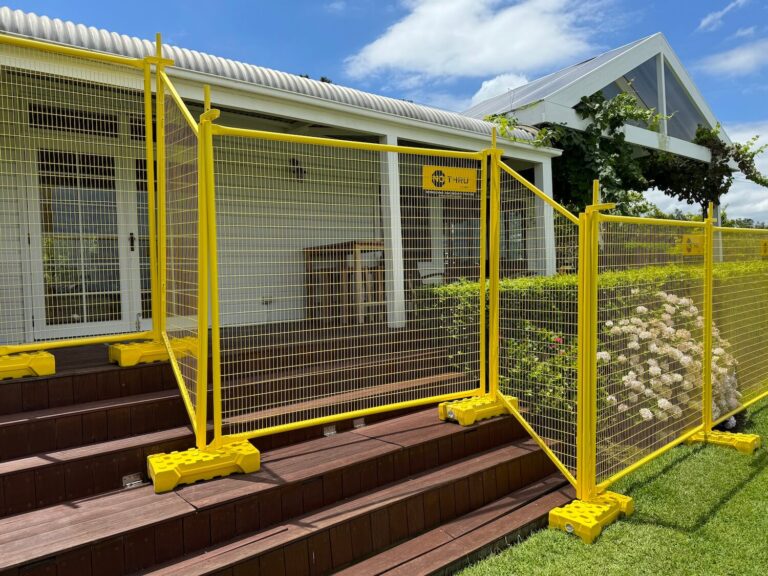
Choosing the right temporary scaffolding system is crucial for ensuring safety and efficiency on construction sites. With scaffold-related accidents resulting in approximately 60 deaths and 4,500 injuries annually in the United States, it’s imperative to prioritise safety and quality when making a purchase. This guide will help you navigate the key factors to consider when investing in temporary scaffolding systems.
Understanding Your Project Requirements
Before diving into the specifics of temporary scaffolding systems, it’s essential to assess your project’s unique requirements. Different projects demand different types of temporary scaffolding, and understanding these needs will guide your selection process.
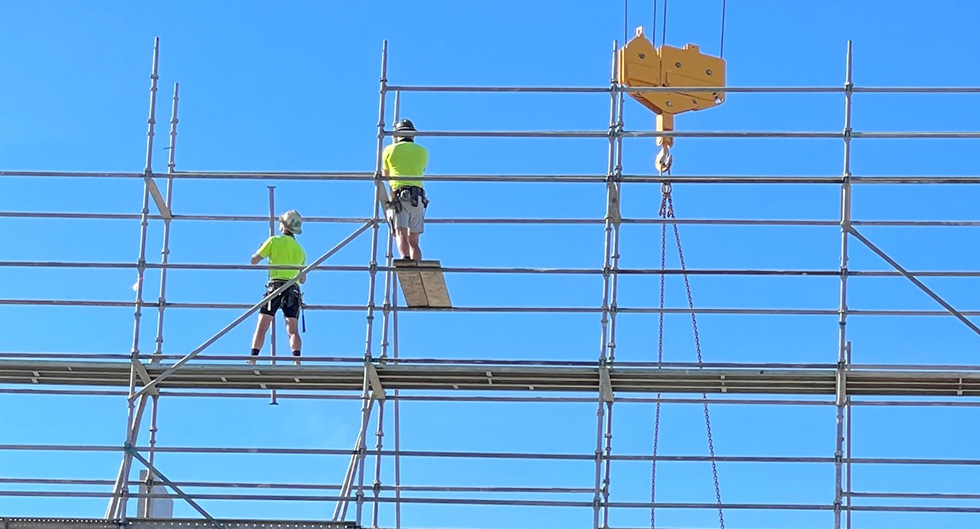
Consider the height and scale of your project. Will you be working on a single-storey building or a multi-storey structure? The height will dictate the type of temporary scaffolding you need. Additionally, think about the weight capacity required—heavy materials may necessitate more robust systems.
Another important aspect is the duration of use. If your project is short-term, temporary scaffolding rental may be the ideal solution, while long-term projects might warrant a purchase. Understanding these factors will help you make a more informed and cost-effective decision.
Safety Standards and Compliance
Safety should always be at the forefront of your mind when selecting scaffolding. Familiarise yourself with local safety regulations and standards that govern scaffolding use. In many regions, scaffolding must comply with specific safety certifications to ensure structural performance.
Look for scaffolding systems that have been tested and certified by recognised safety organisations. This not only ensures that the scaffolding meets safety standards but also provides peace of mind for you and your workers. Rational safety certification standards and evaluation methods are essential for fabricated mobile scaffolds, ensuring they are fit for purpose.
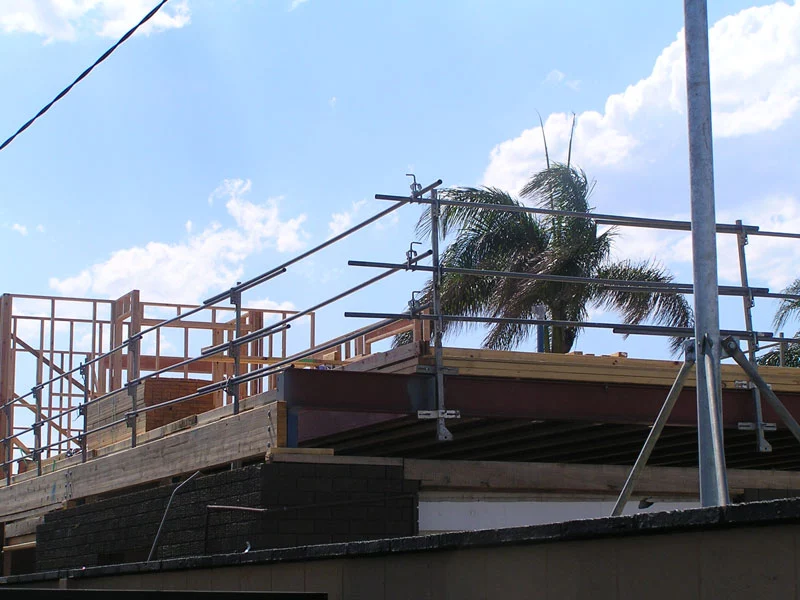
Additionally, consider the safety features included in the scaffolding system. Guard rails, secure planking, and proper footing are vital components that can significantly reduce the risk of accidents. A poor safety culture or inadequate safety measures can lead to serious injuries or fatalities, as evidenced by the alarming statistics associated with scaffold-related incidents.
Material Quality and Durability
The materials used in scaffolding systems play a significant role in their overall safety and longevity. Common materials include steel, aluminium, and wood, each with its own advantages and disadvantages.
- Steel: Known for its strength and durability, steel scaffolding can support heavy loads and withstand harsh weather conditions. However, it can be heavier and more challenging to assemble.
- Aluminium: Lightweight and easy to transport, aluminium scaffolding is ideal for projects requiring frequent relocation. It’s also resistant to rust, making it suitable for outdoor use.
- Wood: While traditional, wooden scaffolding is less common today due to safety concerns and the availability of more robust materials. It may still be used for specific applications, but ensure it meets safety standards.
When evaluating materials, consider the environmental conditions of your project site. If you’re working in a coastal area, for instance, rust-resistant materials will be essential for longevity.
Design and Versatility
The design of the scaffolding system can greatly influence its usability. Look for systems that offer versatility in configuration. Modular scaffolding systems, for example, can be adapted to various shapes and sizes, making them suitable for different projects.
Consider whether the scaffolding can be easily assembled and disassembled. Systems that require minimal tools and time for setup can save you valuable labour costs. Additionally, some scaffolding systems come with integrated features such as adjustable heights and platforms, which can enhance their functionality.
Another design consideration is the ease of access. Ensure that the scaffolding allows for safe and easy access to the work area, reducing the risk of falls and accidents. Features like stairways or ladders integrated into the scaffolding can significantly improve safety and efficiency.
Inspection and Maintenance
Regular inspection and maintenance are crucial for ensuring the safety and longevity of scaffolding systems. Before purchasing, inquire about the manufacturer’s recommendations for maintenance and inspection protocols.
Some modern scaffolding systems now incorporate technology to facilitate inspections. For instance, cloud-based AI platforms can process and analyse point cloud data of scaffolding structures, enabling automated monitoring. This technology enhances safety by identifying potential issues before they become serious problems.
Furthermore, consider the availability of replacement parts and support from the manufacturer. A reliable supplier will provide assistance and resources for maintaining your scaffolding system, ensuring it remains safe and functional throughout its lifespan.
Cost Considerations
Budget is always a significant factor when purchasing scaffolding systems. While it may be tempting to opt for the cheapest option, remember that safety and quality should never be compromised. Investing in a reliable scaffolding system can save you money in the long run by reducing the risk of accidents and injuries.
When evaluating costs, consider not only the initial purchase price but also the long-term expenses associated with maintenance, inspections, and potential repairs. A higher-quality system may have a higher upfront cost but could result in lower overall expenses over time.
Additionally, explore options for renting scaffolding if your project is short-term. Rental costs can be more economical for temporary needs, allowing you to allocate your budget more effectively.
Supplier Reputation and Support
Choosing a reputable supplier is essential for ensuring you receive a quality product and reliable support. Research potential suppliers and read reviews from previous customers to gauge their reputation in the industry.
Look for suppliers who offer comprehensive support services, including training on assembly and safety protocols. A good supplier should also provide clear documentation regarding safety standards and maintenance procedures.
Establishing a relationship with a trustworthy supplier can be invaluable. They can offer insights into the latest trends and technologies in scaffolding, as well as provide assistance should any issues arise during your project.
Technological Advancements in Scaffolding
The scaffolding industry is evolving, with new technologies enhancing safety and efficiency. One notable advancement is the integration of augmented reality (AR) technology for safety inspections and fall hazard detection. This technology can provide real-time data and visual aids to help workers identify potential risks on-site.
Moreover, the use of AI-driven platforms for monitoring scaffolding conditions is becoming more prevalent. These systems can analyse data and provide insights into the structural integrity of scaffolding, allowing for proactive maintenance and safety measures.
As you consider your options, keep an eye on these technological advancements. They can significantly improve the safety and efficiency of your scaffolding systems, ultimately benefiting your project.
Conclusion
Investing in temporary scaffolding systems requires careful consideration of various factors, from safety standards and material quality to supplier reputation and technological advancements. By understanding your project requirements and prioritising safety, you can make an informed decision that ensures the success of your construction project.
Remember, the right scaffolding system not only enhances safety but also improves efficiency and productivity on-site. Take the time to research and evaluate your options, and you’ll be well on your way to selecting a scaffolding solution that meets your needs.
Click here: 5 Benefits of Using Mesh Fencing Around Construction Sites