
The Australian property landscape in 2026 demands a pivot from traditional “buy and hold” mentalities toward aggressive cash-flow management. As interest rates remain structurally higher than the previous decade, investors are increasingly turning to dual-occupancy property investment and rentvesting in Australia to maintain portfolio serviceability.
This guide explores how to leverage secondary dwellings, such as granny flats and duplexes, alongside the strategic flexibility of rentvesting to outpace inflation and secure high-yield assets in a competitive market.
See more: Why Property Investment Remains the Safest Path to Financial Freedom in Australia
Understanding the 2026 Cash Flow Shift
The core challenge for the modern Australian investor is no longer just capital growth; it is the “serviceability gap.” With lending criteria tightening, the ability of a property to pay for itself—and then some—is the primary metric for success.
What is Dual-Occupancy Property Investment?
A dual-occupancy setup involves a single title of land that contains two distinct living areas. This can manifest as:
- Attached Dwellings: A house with an integrated, self-contained studio or “granny flat” under the main roof.
- Detached Dwellings: A primary residence with a separate, standalone secondary dwelling in the backyard.
- Duplexes: Two full-sized homes joined by a common wall, often capable of being subdivided (though not always).
The Rise of Rentvesting in Australia
Rentvesting is a lifestyle-led investment strategy where you rent a home in a location you want to live in (often close to work or social hubs) while owning an investment property in a location you can afford, or where yields are significantly higher. In 2026, this has become the default entry point for first-time investors facing high median house prices in Tier-1 cities like Sydney and Melbourne.
The Mechanics of Maximising Rental Yield
To achieve “High-Yield” status in the current climate, a property generally needs to return a gross yield of $6\%$ to $8\%$. Standard residential houses often struggle to hit $4\%$ in metro areas. Here is how dual-occupancy bridges that gap.
The Power of Two Income Streams
By diversifying a single block of land into two rental streams, you effectively de-risk your investment. If one tenant moves out, you still have 50% or more of your income flowing in.
- Primary Dwelling: Typically covers the bulk of the mortgage.
- Secondary Dwelling (Granny Flat): Provides the “cream” or the positive cash flow.
Modern Granny Flat Rental Income Potential
In 2026, the “granny flat” has evolved. No longer just a “demountable in the yard,” high-spec 2-bedroom secondary dwellings are fetching premium rents. In high-demand suburbs, a well-designed 60sqm unit can generate between $450 and $600 per week, often costing less than $200,000 to construct.
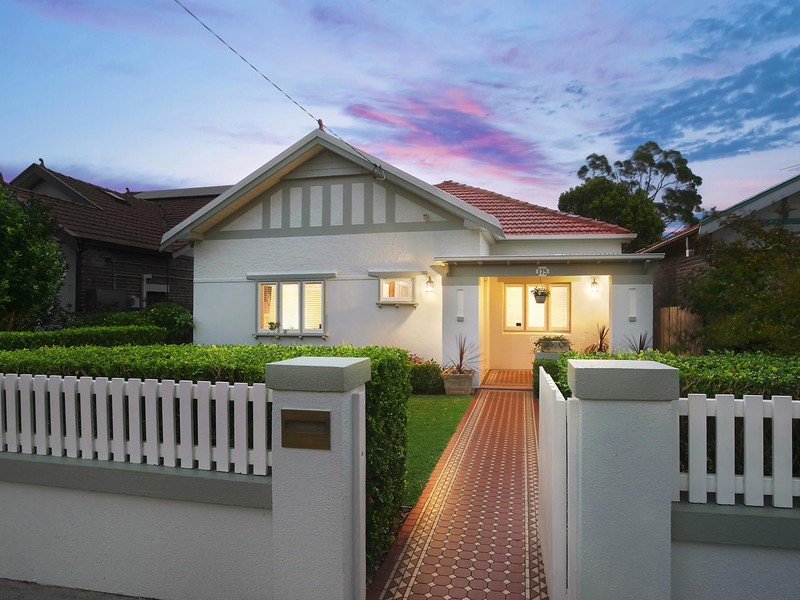
Strategic Advantages of Dual-Occupancy in 2026
Investing in dual-occupancy is not just about the extra cheque; it’s about the underlying fundamentals of the Australian tax and planning system.
| Feature | Single Occupancy | Dual-Occupancy |
| Rental Yield | Typically $3-4\%$ | Typically $6-8\%$ |
| Depreciation | Standard | Double (two kitchens, two sets of appliances) |
| Vacancy Risk | High (0% income if vacant) | Lower (Partial income remains) |
| Council Rates | Single set | Single set (usually with a small surcharge) |
Accelerated Debt Reduction
The surplus cash flow generated by the second dwelling can be channeled into an offset account or used to pay down the principal of the non-deductible debt on an owner-occupied home. This is the cornerstone of the “Cash Flow Strategy.”
How to Identify High-Yield Property Suburbs
Finding the right location is the difference between a high-performing asset and a management headache. In 2026, search patterns emphasize “middle-ring” suburbs with specific zoning relaxations.
- Zoning and Infrastructure: Look for councils that have adopted the “Housing Diversity” SEPPs (State Environmental Planning Policies). Areas near new rail links or hospitals are prime for dual-income configurations.
- Demographic Demand: Target suburbs with high populations of essential workers, students, or single-person households. These groups actively seek out high-quality, smaller dwellings like granny flats.
- Land Size Requirements: Generally, a minimum of 450sqm to 600sqm is required for a compliant dual-occupancy, depending on the state (e.g., NSW vs. QLD).
A Step-by-Step Framework for Rentvesting Success
If you are looking to enter the market via rentvesting while employing a dual-occupancy strategy, follow this sequence:
Step 1: Establish Borrowing Capacity
Consult a broker who understands “future rental income.” Some lenders will allow you to use $80\%$ of the projected income from both dwellings to help you qualify for the loan.
Step 2: Source “Value-Add” Property
Look for older homes on large blocks with side access. The “side access” is critical for a detached dual-occupancy, as it allows the second tenant to have privacy and their own entry point.
Step 3: Design for Privacy
The biggest mistake in dual-occupancy is poor “amenity.” Use fencing, separate utility meters (electricity/water), and soundproofing to ensure both tenants feel they have a private home. This reduces turnover and justifies higher rent.
Step 4: Manage the Build
Whether it’s a renovation or a new build, ensure the secondary dwelling meets all “Complying Development” standards to avoid lengthy council delays.
Common Pitfalls and How to Avoid Them
Even with a high-growth strategy, investors can stumble if they don’t account for the nuances of dual-occupancy property investment.
- Over-Capitalising: Don’t build a mansion in a suburb that only demands functional housing. Keep your “cost to build” in line with the expected rental uplift.
- Ignoring Local Laws: Some local government areas (LGAs) have “restrictive covenants” that prevent secondary dwellings even if state law allows them. Always perform a title search.
- Poor Utility Separation: If you don’t separate water and electricity meters, you will likely end up paying for the tenants’ usage, which erodes your yield.
Internal Linking & Authority Building
To further optimize your strategy, consider researching the following areas:
- Internal Link Suggestion: [The Ultimate Guide to Australian Property Tax Depreciation]
- Internal Link Suggestion: [How to Negotiate Side Access in Property Contracts]
- External Reference: Refer to the Australian Bureau of Statistics (ABS) for the latest dwelling approval data.
- External Reference: Consult the Property Investment Professionals of Australia (PIPA) for ethical investment standards.
FAQ: Dual-Occupancy & Rentvesting
Does a granny flat add value to my property?
Yes. Beyond the rental income, a granny flat typically adds capital value, though often the value added is slightly less than the cost of construction. The primary gain is in the yield and serviceability.
Is rentvesting still viable in 2026?
Absolutely. As long as there is a gap between the cost of renting in a lifestyle suburb and the cost of owning there, rentvesting remains the most mathematically sound way to build a portfolio without sacrificing quality of life.
Do I need separate insurance for a dual-occupancy?
Yes. You generally need a landlord insurance policy that specifically covers two tenancies on one title to ensure you are protected for liability and loss of rent.
Can I subdivide a dual-occupancy later?
This depends on the land size and local council zoning. Not all dual-occupancy properties can be subdivided. If subdivision is your goal, you must buy into “R2” or “R3” zones with minimum frontage requirements.
How are utilities managed?
The best practice is to install sub-meters. This allows you to charge tenants for their actual consumption, which is legally required in most Australian states if you want to pass on the costs.
Conclusion: Securing Your Financial Future
Dual-occupancy property investment and rentvesting in Australia 2026 represent the most resilient strategies for an era of high interest rates and tight supply. By focusing on information gain—specifically identifying high-yield suburbs and designing for tenant privacy—investors can manufacture their own cash flow regardless of broader market fluctuations.
The transition from a single-income asset to a dual-income powerhouse is the most effective way to close the serviceability gap and continue growing your wealth.