
But the truth is, a lot of properties in the Hills area need ongoing cleaning to keep up with foot traffic, health standards, odors, grime that builds quietly in corners, and just… the reality of daily use. The stuff that does not show up in a photo, but absolutely shows up to staff, customers, tenants, and auditors.
Hills commercial cleaning teams usually see the same pattern: certain property types do fine with a periodic deep clean. Others fall apart fast without a regular schedule.
Here are seven that typically require ongoing service.
Are offices really “low maintenance” spaces?
Offices look easy from the outside. Desks, bins, carpet, maybe a kitchenette. But they collect germs and dust fast, especially in shared areas.
Ongoing office cleaning usually focuses on high touch points and the places people forget. Door handles, lift buttons, break rooms, fridge handles, meeting rooms after back-to-back use, and bathrooms that suddenly get heavily used on a Tuesday when teams are in. To schedule ongoing maintenance, click here for hills commercial cleaning.
And there is the presentation part too. Clients notice smudged glass, stained carpet tiles, dusty skirting boards. Staff notice it even more. A regular service keeps it from becoming that slow decline where everything feels a bit tired.
Why do medical and allied health clinics need frequent cleaning?
Clinics do not get much wiggle room. They are expected to be clean, and not just visually.
Waiting rooms, consult rooms, treatment rooms, bathrooms, reception counters. All high contact, high turnover. Even small clinics can see a surprising number of people in a day, and that brings bacteria, dust, skin oils on surfaces, spills, and waste that must be handled correctly.
Ongoing cleaning here is about consistency. Not letting yesterday’s germs become today’s problem. A proper commercial cleaner will also follow site-specific requirements, including product choices and routines that suit a healthcare environment. Learn more about healthcare-grade cleaning procedures and infection control practices.
What makes retail stores and shopping spaces a constant cleaning job?
Retail is relentless. People track in dirt, leaves, water when it rains, dust when it is dry. Shelving collects fingerprints. Glass and mirrors show every mark. Fitting rooms get messy. Bathrooms, if they exist, become a whole thing.
And retail cleaning is not only about hygiene. It is sales support, basically. A clean store feels more premium. It makes shoppers linger. It reduces complaints. It protects floors and fixtures that are expensive to replace.
Ongoing service tends to include frequent floor care, entry mat management, spot cleaning, dusting, and attention to the small details that customers subconsciously read as quality.
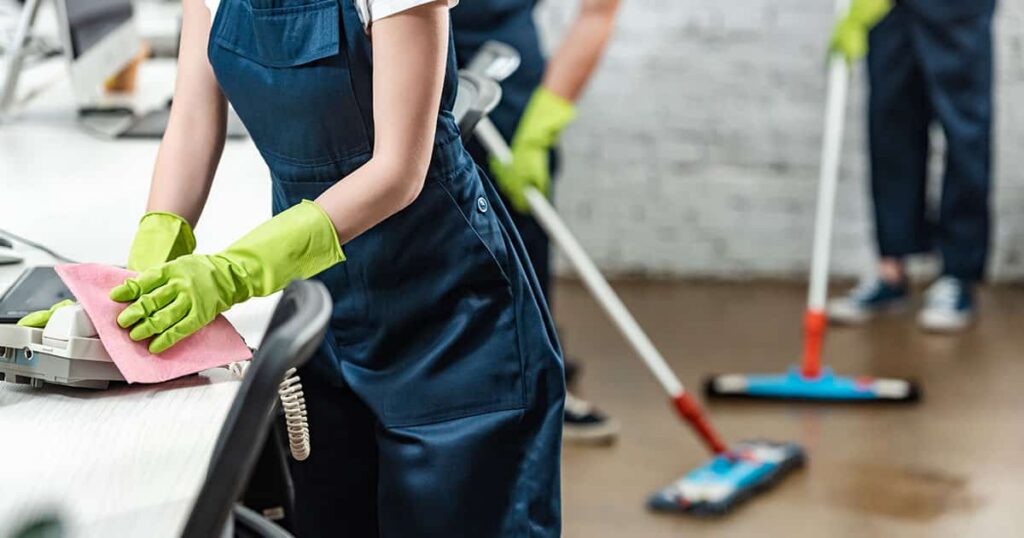
Do schools and childcare centres need more than a nightly clean?
They usually do, yes. And it is not because staff are not trying. It is just volume.
Schools and childcare centres deal with constant contact, shared surfaces, food mess, craft supplies, sand, grass, and the kind of spills that happen in seconds. Desks, chairs, play equipment, toilets, handwashing stations, and lunch areas all need routine attention to help reduce illness spread.
Ongoing commercial cleaning in these settings often means a structured plan. Daily cleans, plus regular deep cleaning touchpoints, plus periodic disinfecting focus areas, depending on season and outbreaks. Because once gastro or colds start doing the rounds, it is too late to “catch up” with cleaning. Learn more about preventative cleaning schedules and hygiene management plans.
Why do gyms and fitness studios require ongoing cleaning?
Gyms are sweat, skin contact, shared equipment, and humid rooms. It is not personal, it is just the environment.
Benches, mats, weights, cardio machines, bathrooms, change rooms, showers. These areas need consistent cleaning and disinfection, and they need it done properly so odors do not settle in. Floors in gyms also take a beating. Rubber flooring, tiled wet areas, mirrors that show streaks instantly.
Ongoing service helps keep member experience solid. It also reduces the risk of hygiene complaints, which in fitness can get loud fast.
How do warehouses and industrial sites get dirty even without customers?
Because dust and residue do not need customers. They just need movement.
Warehouses and light industrial sites collect dust from stock, pallets, cardboard, vehicle movement, and open roller doors. Floors can build up grime that becomes slippery or hard to remove. Staff kitchens and bathrooms still need consistent attention. And in some sites, there is more. Grease. Manufacturing residue. Packaging debris. Safety line markings that need to stay visible.
Ongoing cleaning here is often about safety and efficiency. A clean warehouse reduces trip hazards, keeps staff areas usable, and prevents dust buildup that can affect equipment and stock.
Why do strata buildings and shared common areas need a regular schedule?
Strata and shared spaces can get messy in a very specific way. Not dramatic mess, just constant low level wear.
Think lobbies, lifts, stairwells, hallways, bin rooms, mail areas, shared gyms, and shared bathrooms if they exist. People touch the same buttons and handles all day. Dirt builds in corners. Cobwebs appear. Glass gets fingerprinted. The bin room starts smelling off if it is ignored for too long.
Ongoing commercial cleaning is usually the difference between “this building feels well run” and “why does it always feel slightly grubby here.” Regular service keeps common areas presentable for residents, visitors, and prospective buyers or tenants.
What should they take away when choosing ongoing commercial cleaning?
Some properties can get away with periodic cleaning. But offices, clinics, retail, education, fitness, industrial sites, and strata common areas tend to need ongoing service because they are lived in, used hard, and judged quickly. https://masterkeyplace.com/why-commercial-cleaning-services-in-sydney-differ-by-industry/
Hills commercial cleaning providers typically build schedules around the reality of each site, not a generic checklist. Frequency, touchpoint focus, floor care, consumables, and timing all matter.
And honestly, the biggest tell is simple: if a space is used every day by multiple people, it probably needs cleaning more often than they think.
FAQs (Frequently Asked Questions)
Why is ongoing commercial cleaning important for properties in the Hills area?
Ongoing commercial cleaning is essential in the Hills area due to high foot traffic, health standards, odors, and grime buildup that occurs daily. Regular cleaning keeps spaces hygienic and presentable for staff, customers, tenants, and auditors, preventing slow decline that occasional deep cleans can’t address.
Do offices require frequent cleaning despite appearing low maintenance?
Yes, offices need ongoing cleaning because they accumulate germs and dust quickly, especially in shared areas like door handles, lift buttons, break rooms, fridges, meeting rooms, and bathrooms. Regular cleaning maintains hygiene and a professional appearance that clients and staff notice.
What makes medical and allied health clinics demand frequent cleaning services?
Medical clinics require consistent cleaning to meet strict hygiene standards. High-contact areas such as waiting rooms, consult and treatment rooms, bathrooms, and reception counters see constant use. Proper cleaners follow site-specific routines and product guidelines to prevent germs from becoming a problem.
Why do retail stores need constant cleaning beyond just hygiene?
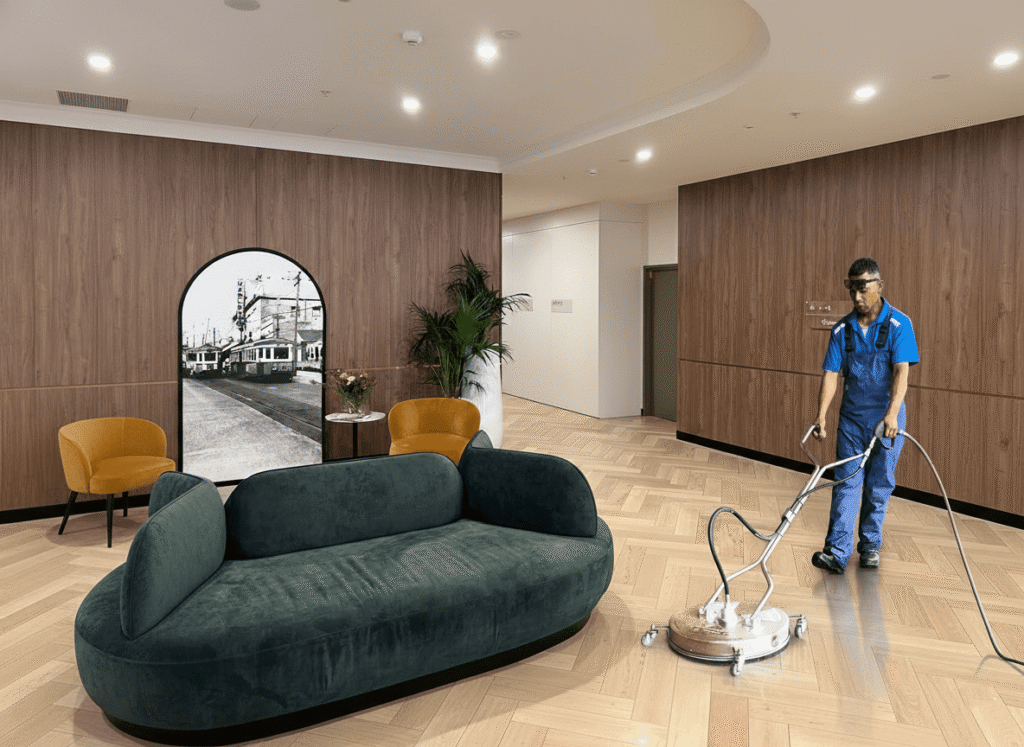
Retail environments face relentless dirt from foot traffic, fingerprints on shelves and glass, messy fitting rooms, and busy bathrooms. Beyond cleanliness, ongoing service enhances sales by creating a premium shopping atmosphere that encourages customers to linger while protecting floors and fixtures.
How does ongoing cleaning benefit schools and childcare centres?
Schools and childcare centres experience heavy use with shared surfaces, food messes, craft supplies, spills, and play equipment. A structured cleaning plan with daily cleans, regular deep cleans, and periodic disinfecting reduces illness spread by addressing high-contact areas before outbreaks occur.
What are the key reasons gyms and fitness studios need regular commercial cleaning?
Gyms involve sweat, skin contact with shared equipment like benches, mats, weights, cardio machines plus humid environments. Consistent cleaning prevents odor buildup and hygiene complaints by properly disinfecting equipment, bathrooms, change rooms, showers, floors, and mirrors to maintain member satisfaction.